Embracing Her Wedding Customs in Your Intercultural Marriage
Intercultural marriages between Western men and Asian women have grown 42% over the past decade, according to the U.S. Census Bureau's 2025 American Community Survey. Behind every one of those unions is a wedding day where two families, two cultures, and two sets of traditions meet on one stage. The groom who takes the time to learn - and genuinely participate in - her heritage ceremonies doesn't just impress her parents. He sends a signal that resonates through the entire marriage: I respect where you come from.
This guide walks you through the most significant wedding traditions from six major Asian cultures: the Philippines, China, Japan, Thailand, India, and Korea. Whether you've already found your partner through our asian women dating platform or you're still browsing profiles and imagining the future, understanding what happens on the big day gives you a tremendous advantage. You'll arrive prepared, your future in-laws will notice, and your bride will feel honored.
Key Takeaway: Asian wedding ceremonies center on family unity, ancestral respect, and symbolic rituals that have been practiced for centuries. Participating authentically - even imperfectly - matters more than getting every detail right. Your willingness to try is itself the tradition.
Wedding Traditions Across Asia - A Country-by-Country Guide
Each country below has customs shaped by religion, history, and regional variation. These aren't rigid scripts - many modern couples blend traditions with Western elements. Use this as a foundation, then ask your partner which customs matter most to her family.
🇵🇭 Filipino Wedding Traditions
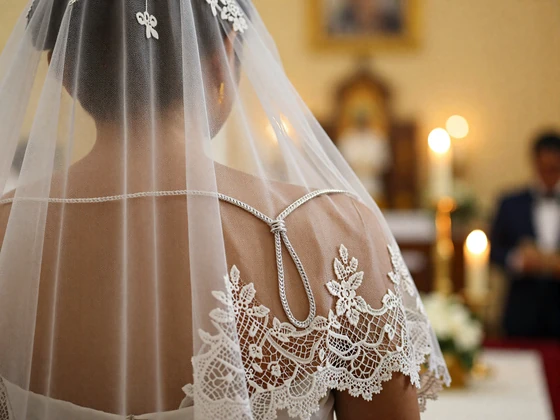
The Philippines is the only predominantly Catholic country in Asia, so most Filipino weddings take place in a church. The ceremony blends Spanish colonial Catholic traditions with indigenous customs that predate colonization:
- The Cord and Veil Ceremony (Yugal): A silk cord shaped like a figure-eight is draped over the couple's shoulders during the ceremony, symbolizing unity for life. A lace veil is placed over the bride's head and the groom's shoulder, signifying being "clothed as one."
- Arras (13 Coins): The groom gives 13 coins blessed by the priest to the bride. These represent his pledge to provide for the family and the twelve apostles plus Christ as witnesses.
- Sponsors (Ninongs and Ninangs): Expect up to 12 principal sponsors - influential community members or close family friends who serve as secondary godparents. This is a deep honor, so let your bride guide the selection.
- Money Dance: At the reception, guests pin cash onto the couple's clothing during a dance. It's celebratory, communal, and designed to help newlyweds start their life together.
Groom's tip: Filipino families are large. A guest list of 300-500 people is normal. Budget accordingly, and don't try to pare it down - in Filipino culture, excluding family is deeply hurtful.
🇨🇳 Chinese Wedding Traditions
A Chinese wedding is fundamentally about two families becoming one. The rituals revolve around respect for elders, prosperity symbolism, and auspicious timing:
- Tea Ceremony (敬茶): The single most important custom. The couple kneels and serves tea to parents and elders of both families in order of seniority. In return, each elder gives the couple a red envelope (hongbao) with cash or gold jewelry. As the groom, you'll serve tea to her parents first - this is your formal request for acceptance into the family.
- Door Games (闹门): Before the groom can pick up the bride, her bridesmaids block the door and demand he complete silly challenges (push-ups, singing, trivia about the bride) and pay "ransoms" with red envelopes. It's humbling, hilarious, and expected.
- Red and Gold Everywhere: Red symbolizes luck and prosperity; gold represents wealth. The bride may wear a red qipao for the tea ceremony and change into a white gown for the Western-style banquet later.
- Bride Price (聘金): A negotiated monetary gift from the groom's family to the bride's family. It's not a "purchase" - it's a demonstration of respect and financial stability. Amounts vary widely by region, ranging from symbolic gestures to significant sums.
Groom's tip: Study the seating chart carefully. In Chinese banquets, table proximity to the main table signals relationship importance. Your bride and her mother will likely manage this - trust their judgment.
🇯🇵 Japanese Wedding Traditions
Japan offers two primary ceremony styles: the Shinto shrine ceremony (shinzen shiki) and the Western-style chapel ceremony. About 60% of modern Japanese couples choose the Western style, but many incorporate Shinto elements. Key traditions include:
- San-san-kudo (Three-Three-Nine): The couple takes three sips each from three flat sake cups of increasing size. The ritual represents the binding of two families and the overcoming of hatred, passion, and ignorance.
- Exchange of Nuptial Rings: Adopted from Western tradition but now standard in both Shinto and chapel ceremonies.
- Yuino (Engagement Meeting): A formal meeting between both families where nine symbolic gifts are exchanged - including dried kelp (representing fertility), a folding fan (representing future prosperity), and hemp thread (representing strong bonds).
- Outfit Changes: Japanese brides typically change outfits 2-3 times during the reception. Don't be surprised when your bride disappears and returns in a completely different dress - it's a beloved tradition.
Groom's tip: Japanese wedding receptions include a structured program - speeches from bosses, professors, and parents. Prepare a speech in English and have a trusted Japanese friend help you say a few sentences in Japanese. The effort will be deeply appreciated.
🇹🇭 Thai Wedding Traditions
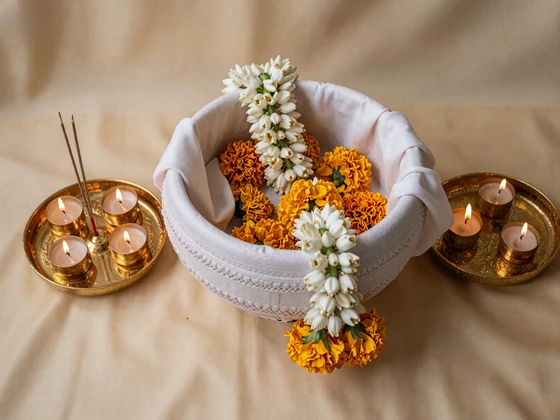
Thai weddings are joyful, colorful, and deeply rooted in Theravada Buddhism. The morning often begins with a Buddhist blessing, followed by cultural rituals and an evening celebration:
- Rod Nam Sang (Water Pouring): The most iconic Thai wedding moment. Elders and honored guests take turns pouring sacred water over the couple's joined hands, blessing the marriage. This replaces the Western "vows" as the emotional peak of the ceremony.
- Sai Sin (Sacred Thread): A Buddhist monk ties white cotton string around the couple's wrists, connecting their spirits. You wear these threads for three days after the wedding.
- Sin Sod (Bride Price): A negotiated sum presented to the bride's parents during the ceremony. It's displayed publicly - gold and cash arranged on a tray. In many families, the sin sod is returned to the couple after the ceremony as a wedding gift, but the display itself honors the bride's family.
- Khan Maak Procession: The groom leads a festive procession to the bride's home, carrying gifts on decorated trays. Her friends set up "gates" along the path, demanding gold or cash to let him pass - similar to Chinese door games.
Groom's tip: Discuss sin sod amounts with your bride early and privately. The amount reflects your respect, not a transaction. A reasonable conversation prevents awkwardness later.
🇮🇳 Indian Wedding Traditions
Indian weddings are among the most elaborate in the world - multi-day celebrations filled with color, music, and deeply symbolic rituals. Traditions vary dramatically between Hindu, Sikh, Muslim, Christian, and Jain ceremonies, as well as by region (North vs. South India). Here are the most common Hindu elements:
- Mehndi (Henna Night): Intricate henna designs are applied to the bride's hands and feet, often with the groom's name hidden in the pattern. The groom traditionally must find his name before the wedding night.
- Baraat (Groom's Procession): The groom arrives on a decorated horse (or car), accompanied by dancing family members and a live band. As the Western groom, you'll ride the horse - practice beforehand if needed.
- Saat Phere (Seven Rounds): The couple walks seven times around a sacred fire (agni), each round representing a marital vow - nourishment, strength, prosperity, happiness, progeny, health, and eternal friendship.
- Kanyadaan: The bride's father places her hand in the groom's - symbolizing the transfer of responsibility. This is profoundly emotional for Indian families and the moment most likely to bring tears.
- Sindoor and Mangalsutra: The groom applies red vermilion to the bride's hair parting and ties a sacred necklace (mangalsutra) around her neck, both signifying married status.
Groom's tip: Indian weddings span 3-5 days with separate events (sangeet, mehndi, haldi, ceremony, reception). Pace yourself physically and emotionally - and bring comfortable shoes.
🇰🇷 Korean Wedding Traditions
Modern Korean weddings blend Western ceremony styles with the traditional pyebaek - a private post-ceremony ritual that honors both families:
- Pyebaek (폐백): After the public ceremony, the couple changes into traditional hanbok attire and performs deep bows to parents and grandparents. The elders sit at a low table with dates, chestnuts, and rice wine. They toss the dates and chestnuts at the bride (who catches them in her skirt), symbolizing wishes for children.
- Ham (함): Before the wedding, the groom's friends deliver a wooden chest of gifts to the bride's home, singing and demanding payment at the door. The bride's family pays "bribes" - it's chaotic, loud, and everyone loves it.
- Wedding Duck Gift: A pair of wooden ducks (kireogi) is given to the couple, symbolizing lifelong fidelity. Mandarin ducks mate for life.
- Noodle Soup (Kook-su): Long noodles are served at the reception, symbolizing a long and happy marriage. Don't cut the noodles - slurp them whole for maximum luck.
Groom's tip: The pyebaek is private - only immediate family attends. Practice your deep bow (jeol) beforehand. One knee down, forehead to hands on the floor. Your bride will coach you.